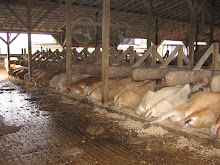
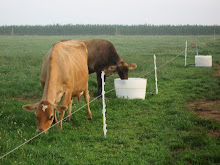
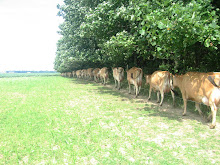
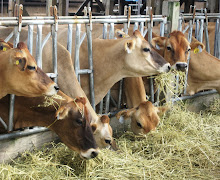
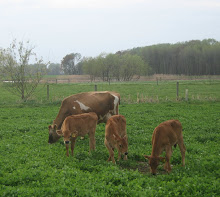
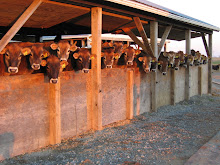
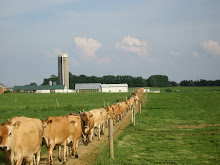
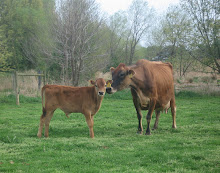
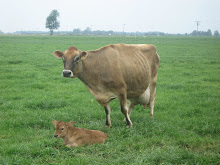
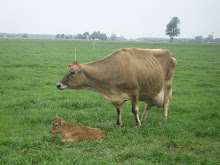
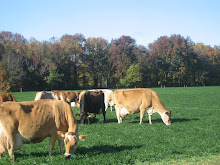
St. Brigid - was born in A.D. 451 or 452 to a pagan father and a Christian slave mother. Her impoverished, enslaved mother did her best to raise her well, and a white red-eared cow is said to have provided all the food St. Brigid needed to grow, indicating that she was special indeed as white red-eared cows are rare in Ireland. While still a child she was put in charge of the dairy by her mother. One day she had given away so much milk and butter to poor people that none remained for the family. She feared her mother's displeasure and so resorted to prayer. When her mother visited the dairy she found such an abundance of milk and butter that she praised the dairy maids for their industry. Today she remains the patron saint of dairy maids and is the patroness of Ireland.
Saturday, January 31, 2009
Amazing Instinct !
Thursday, January 22, 2009

MUCH ADO
January is the beginning of calving season. We practice seasonal breeding to align calving and peak milk production to when grass is most abundant. So we like to have most of our cows calve about 100 days before the nice spring grass is in full swing. Thus, although we are a small farm, we must be able to handle as many calvings in three months as a 500 cow operation.
To illustrate the point, January 23 is the due date for 20 heifers to have their first calf. Most likely, no heifers will calve on that date. Some will be early and some will be late. Our job is to be prepared.
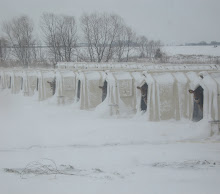
This week end we got the action plan in place and prepared the maternity pens and nursery. With help from Andy Moore, a junior at the US Naval Academy in Annapolis and from a farm in NY state, (Andy’s older brother Phil, worked for us in 2002 and now flies fighter jets in the Navy), Ethan Jones, from Jones Family Farm nearby and a junior at Kent County High School, and Abelardo Perez, from Vera Cruz, Mexico and a long time helper at St. Brigid’s Farm, we transformed many of the buildings into comfortable, bedded calving pens and set up the nursery.
A few pictures are to the right and soon we’ll update you on the new arrivals!
January is the beginning of calving season. We practice seasonal breeding to align calving and peak milk production to when grass is most abundant. So we like to have most of our cows calve about 100 days before the nice spring grass is in full swing. Thus, although we are a small farm, we must be able to handle as many calvings in three months as a 500 cow operation.
To illustrate the point, January 23 is the due date for 20 heifers to have their first calf. Most likely, no heifers will calve on that date. Some will be early and some will be late. Our job is to be prepared.
This week end we got the action plan in place and prepared the maternity pens and nursery. With help from Andy Moore, a junior at the US Naval Academy in Annapolis and from a farm in NY state, (Andy’s older brother Phil, worked for us in 2002 and now flies fighter jets in the Navy), Ethan Jones, from Jones Family Farm nearby and a junior at Kent County High School, and Abelardo Perez, from Vera Cruz, Mexico and a long time helper at St. Brigid’s Farm, we transformed many of the buildings into comfortable, bedded calving pens and set up the nursery.
A few pictures are to the right and soon we’ll update you on the new arrivals!
Thursday, December 25, 2008

Where Does Your Milk Go?
Often, visitors to St. Brigid’s Farm ask, “Where does you milk go?” It is sold through a producer member marketing cooperative, Land O’ Lakes. Now what does that really mean and where does the milk really go? The Land O' Lakes Cooperative began in the upper Midwest in 1921 as a small regional creamery and today has grown to be the largest feed company in North America, the world leader in animal milk replacers and the largest distributor of agronomy products in the United States. Land O' Lakes has a rich history of serving America's farmers and marketing America's favorite dairy products. Today, this farmer-owned cooperative processes the milk from over 3,000 dairy producers from Pennsylvania to California to more than 50 countries worldwide.
The milk specifically produced at St. Brigid’s Farm is hauled in an insulated stainless steel 18 wheeler seen in the first picture to the right and not in milk cans and pulled by a horse drawn wagon as seen in the 1921 photo. Holly Tree Trucking Co. comes to our farm every other day measures the milk amount, collects a sample for quality testing, and pumps the milk from our stationary refrigerated tank to the truck. From here the milk goes to Pennsylvania where two things can happen depending on the demand of the day. Either it is pasteurized, homogenized, and standardized to skim, low fat or whole milk for bottling or it is manufactured into butter and skim milk powder. The butter is packaged for retail sales in 1 pound blocks with the familiar Indian Maiden logo. The dried skim milk powder is bagged for domestic and export markets.
A few more questions we are often asked are, “Do you drink your own cow’s milk?” or “Will you sell us some of your cow’s milk”? We love to drink milk and buy two to three gallons per week for the two of us from the store. The milk from St. Brigid’s Farm Jerseys is about 5% fat and is closer to a glass of half & half cream than 3.5% whole milk. I must admit though for a treat from time to time we sneak some fresh milk from the dairy to the house to put on a bowl of cereal or berries. And then there is the one time of year where we make egg nog. The fresh milk is perfect for this providing us cream for whipping and whole milk for our favorite seasonal beverage.
As for direct sales of fresh milk, the unfortunate answer is no. The dairy industry is heavily regulated by state health officials and the Pasteurized Milk Ordinance. For reasons pertaining to food safety and your health it is unlawful for us to sell unpasteurized milk in the state of Maryland.
Merry Christmas! Bob & Judy
Saturday, November 8, 2008
Thanks !
To the right is a photo for Drew. Poppy and new born Pansy on June 6th.
Happy Thanksgiving
Friday, November 7, 2008
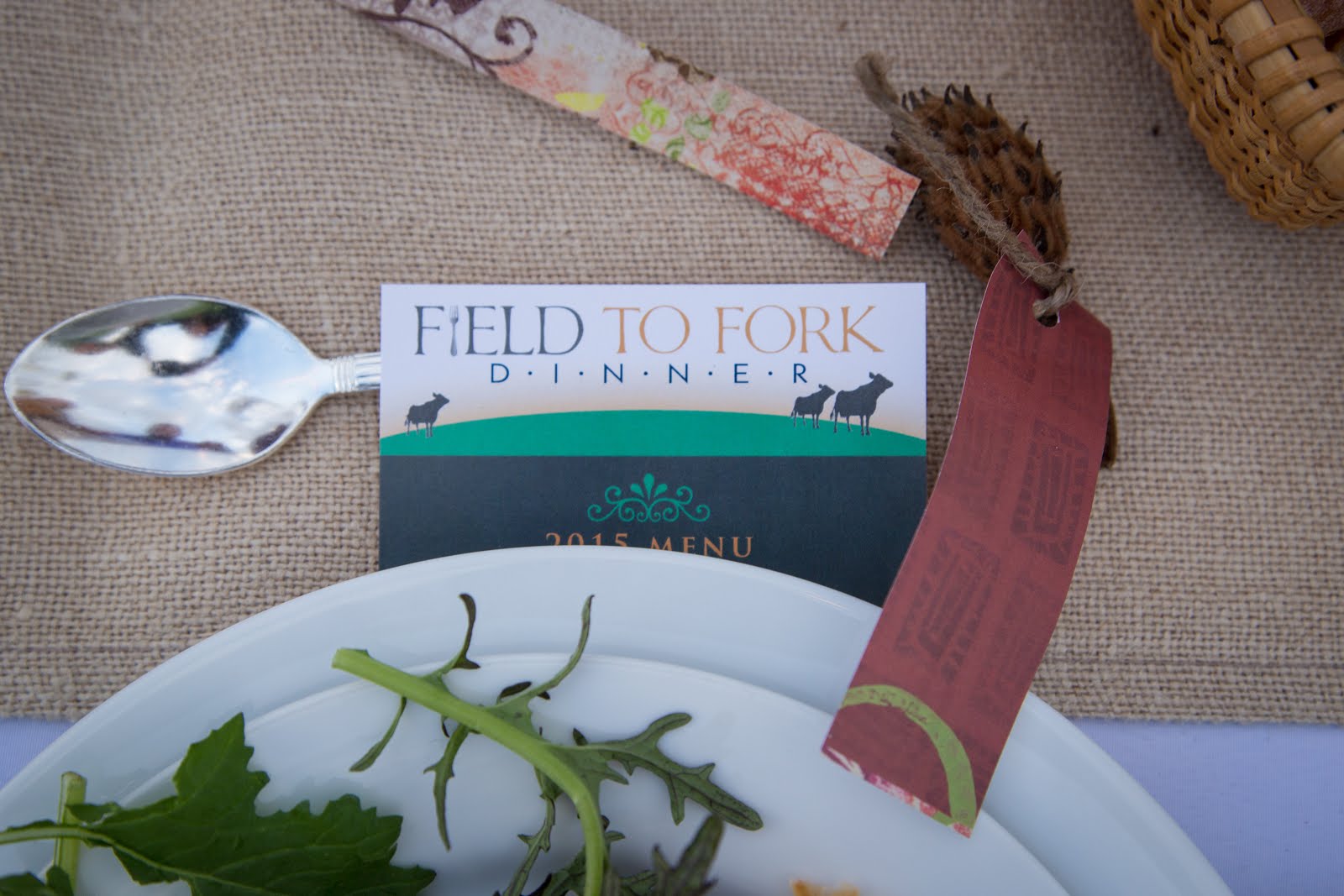
Field to Fork Dinner

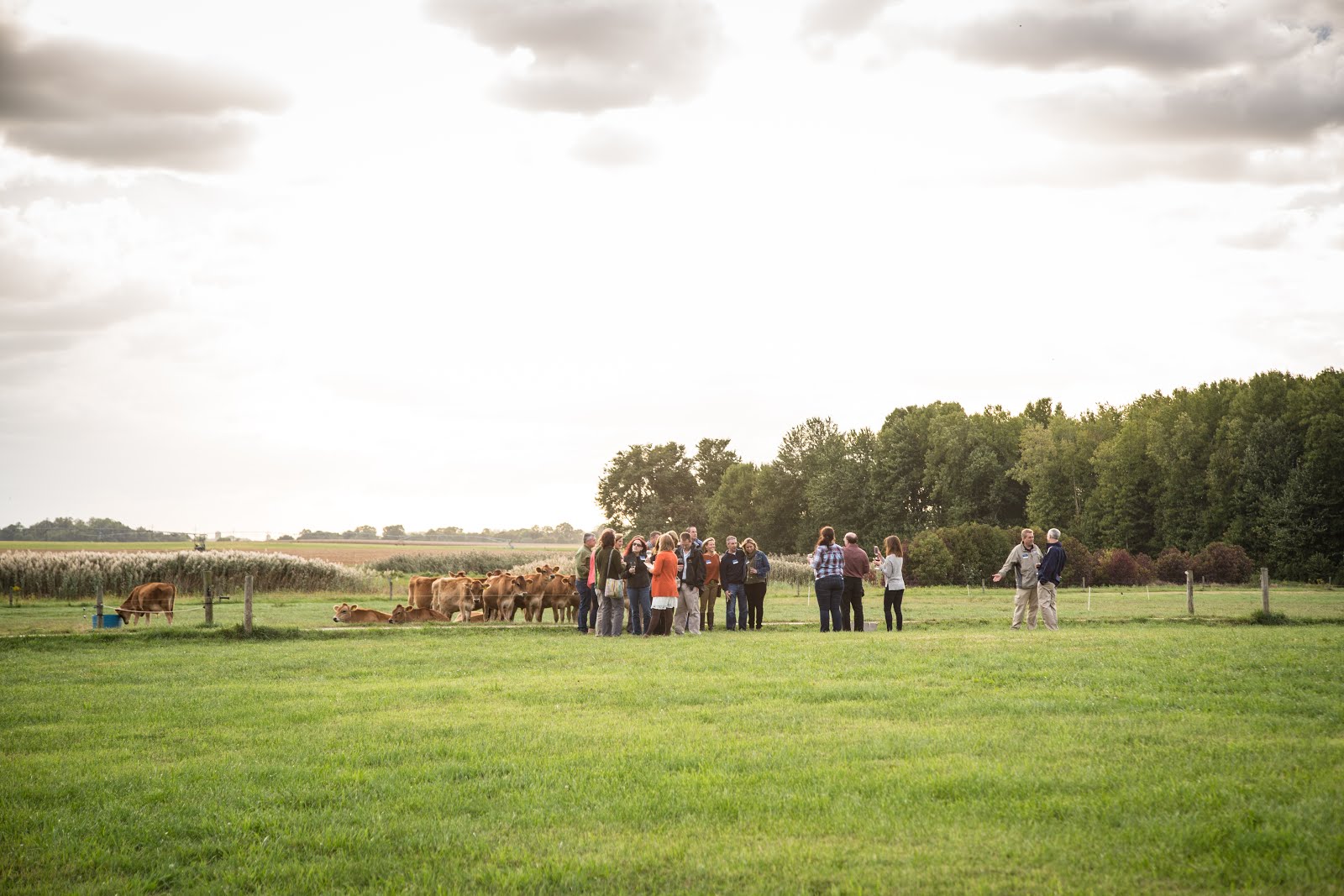
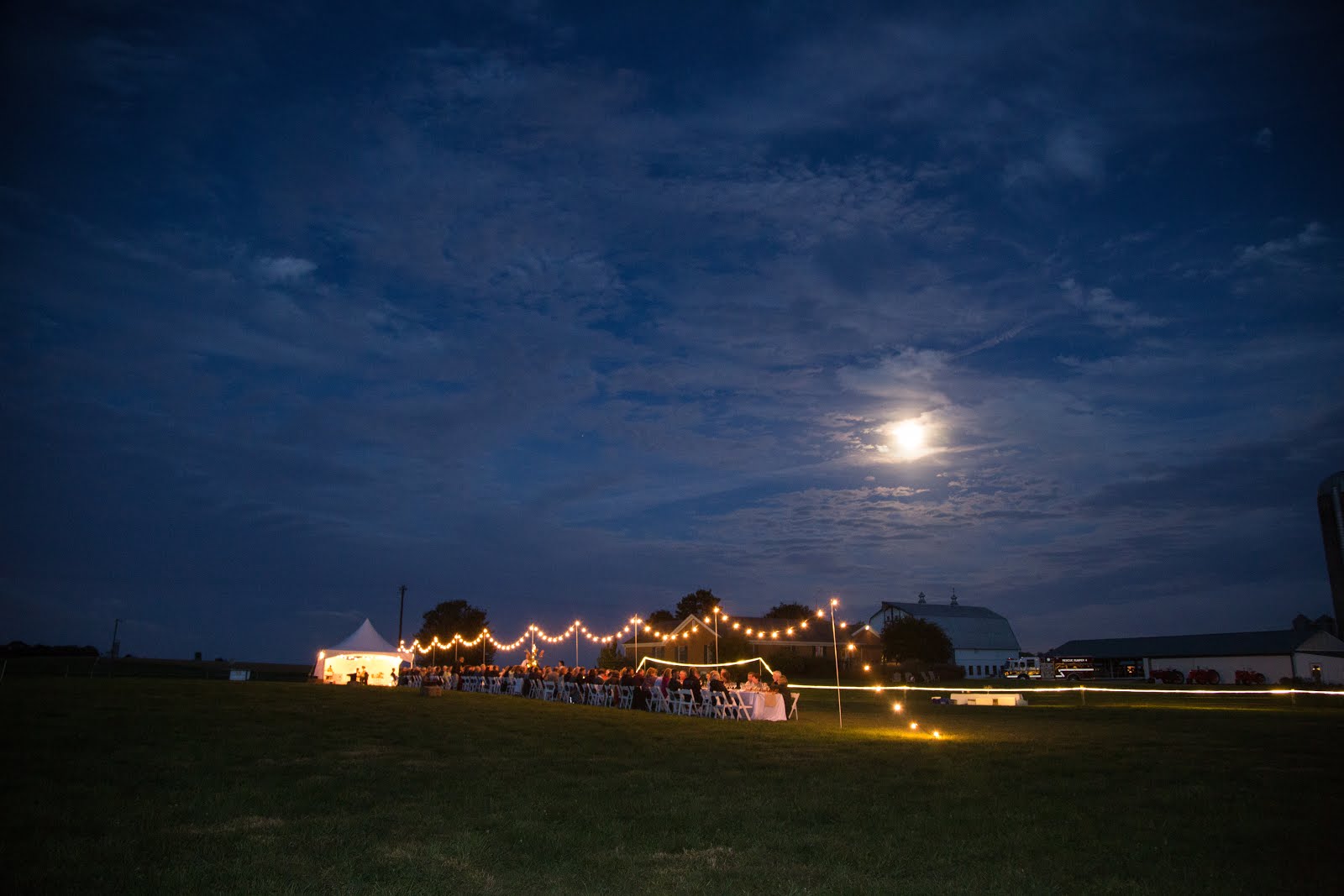
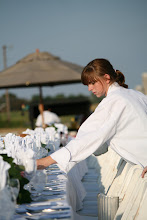
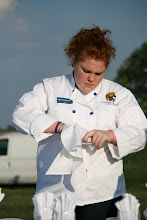
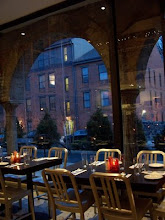
Our motto on St. Brigid's Farm, especially during one of the driest summers on record, is never complain about rain. Another prominent philosophy we practice as graziers is always have a Plan B ready. For our first Field to Fork dinner, we had to follow both mantras and gladly implemented Plan B, dinner in the new barn, as we finally had the chance to celebrate a bit of rain.Sure, this changed our event from being set in a pastoral scene under the stars to going inside but the storms did not dampen the enthusiasm for local foods, Heifer International, the Chester River Association, and visiting with new and old friends.
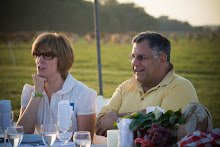
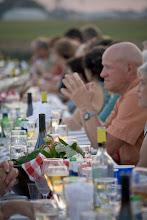
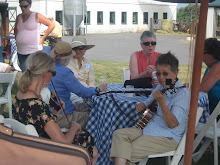
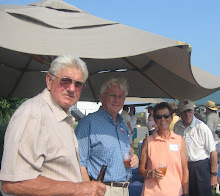
The evening was an amazing event. Friends, friends of friends and complete strangers all convened to participate in a unique dining experience. Our guests mingled and enjoyed local beer, wine, music and a sumptuous five course dinner under the watchful and curious eyes of our Jersey cows who didn’t know quite what to make of all the activity.
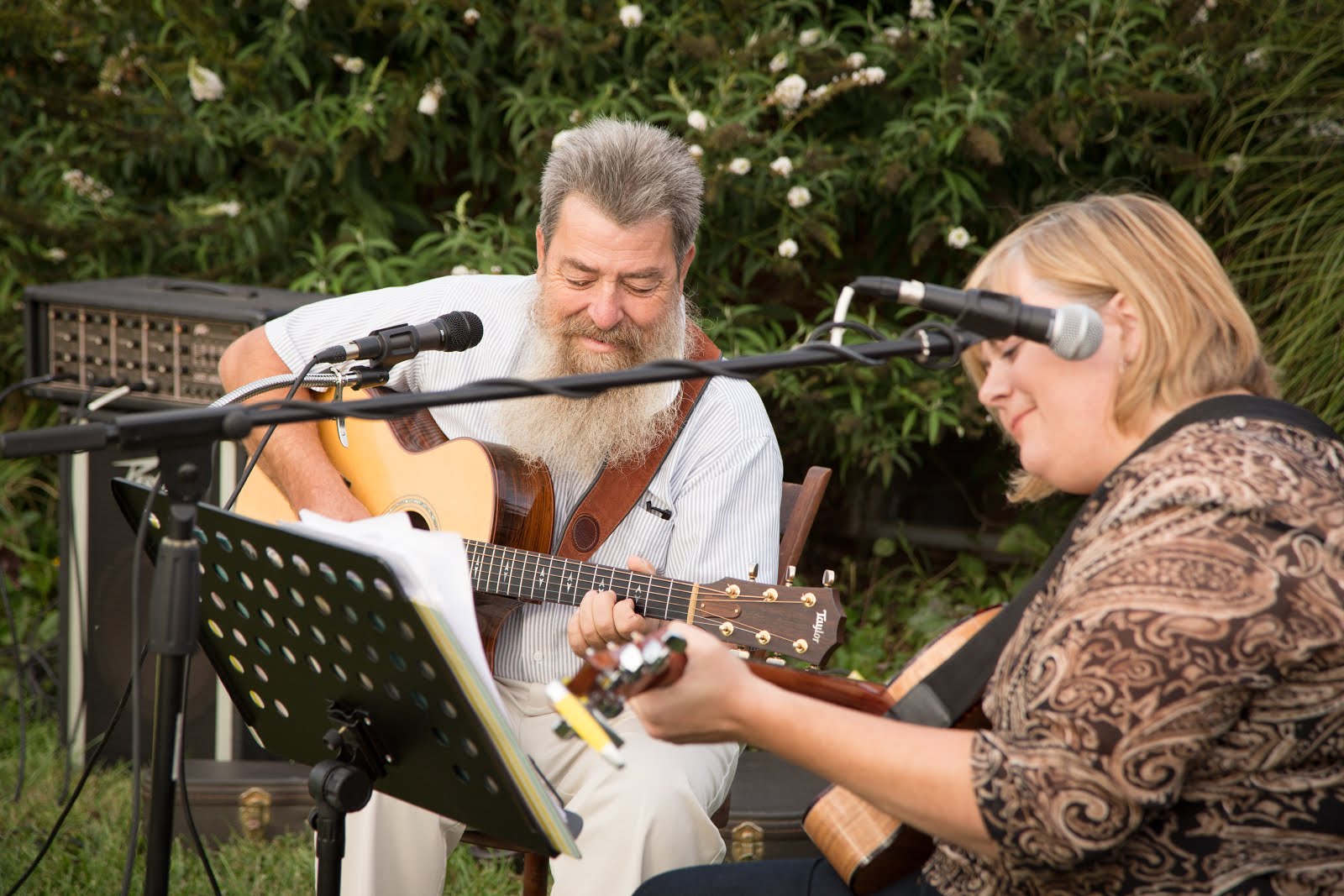
The skies opened up as the last guests arrived and the rain nearly drowned out the wonderful classical guitar music of Tom Anthony and Van Williamson. Tom later joined his fellow band members, Tom McHugh and Bill Matthews of Chesapeake Scenes to perform local songs during dessert. The group has performed all over the world but, according to Tom McHugh, this was their first performance in a cow barn.
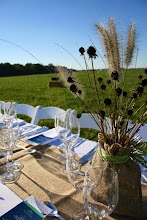
The wind is always stronger here than most place in the county and the night of our dinner was no exception. In spite of our efforts to design centerpieces in anticipation of gusts of wind by putting candles in votives in a vase, the flames were blown out repeatedly until resourceful guests put saucers on top for protection. One tiki light caught on fire but was extinguished when our son-in-law, Rich Yost, quickly buried it in the sand in the freestalls.
We are so pleased that so many people joined us to celebrate community and local food. Almost ninety people braved the inclement weather, some drove from the western shore, others arrived knowing only us and some brought all their neighbors.
Sustainable food production is the thread that ties together all three organizations involved with the dinner. The Chester River Association, Heifer International and St. Brigid’s Farm all strive to facilitate the implementation of the three “Ps” of sustainability: protect the environment, provide quality of life for the people on the farm and promote healthy, vibrant agricultural communities. Our first Field to Fork dinner showcased all three and we are still amazed at the excitement generated by this event. Thanks to all who attended and made the dinner a huge success in so many ways but mostly because we are sending Heifer International a check for $2100!! Check out Heifer International’s website www.heifer.org to learn what such a life-changing gift to resource–poor families can accomplish in promoting sustainable agriculture in the USA and around the world.
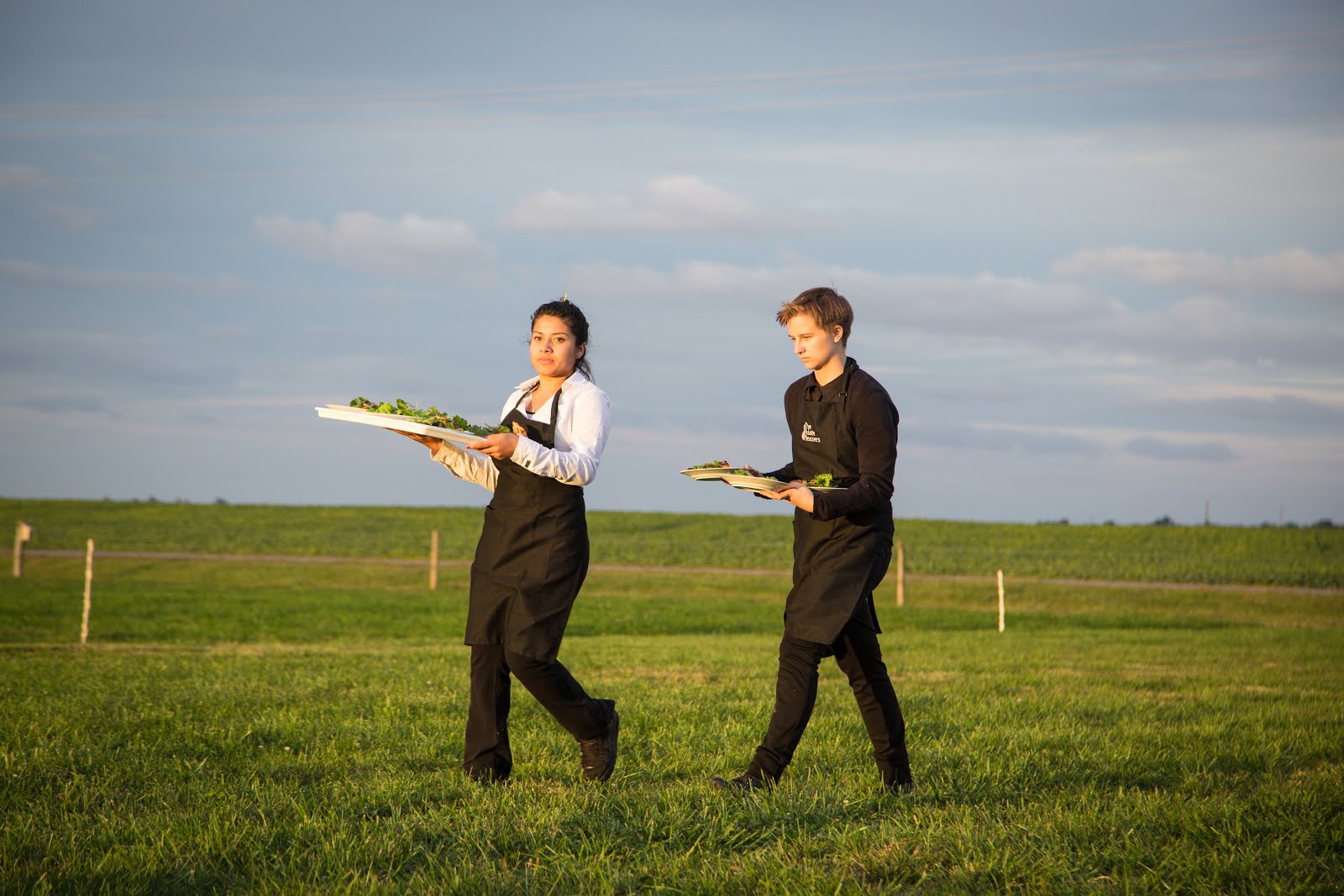
We want to extend special thanks and appreciation to Chef Craig Sewell of A Cook’s Cafe who arrived at the farm willing to accept any logistical challenge he faced working with “Plan B” with an open mind and good attitude. He and his wonderful and competent staff transformed our plan barn into an elegant dining space and served a meal that could compete with any of the fine restaurants in the area.
Thanks also to Marjorie Adams and Elise Kolaja for sharing our vision and passion for a local food celebration and supported us during the months of planning and to Kurt Kolaja and Patty Mowell who took time from mingling to capture the event in the wonderful photos on this blog and on the Chesapeake Foodie web site.

Friday, October 31, 2008
Autumn Grazing


It has been too long since I've posted an update to our blog. A dry and busy fall coupled with the recent Field to Fork Dinner have kept us very busy. The steers above seem to be asking "what is next" as they bask in the warmth of the morning light.
Autumn is a wonderful time at St. Brigid's Farm. As I write a post I often wonder who the audience will be so allow me say up front that this one will be a tad technical. Why is it a wonderful time? The list is long...
- We have finally received rain! Because of that the cows have grass to graze.
- Grass at this time of year grows similar to spring time vegetative growth but will not get "ahead of the cows" due to shorter days and cool nights.
- None of our cows are due to calve at this time of year so we have no babies and no expecting Moms.
- The cows we are milking are all accustomed to the routine and can be called "easy keepers".
- Stable fly and horn fly annoyance is over.
- Heat stress for the cows is over.
- Storage of winter forage is complete.
- Judy has a very capable part time helper for milking , Katie Dixon.
Now about the pictures...we intended to re-seed Field #3west this fall in to perennial rye grass. Conditions were so dry in August and September for preparing the seedbed that at the last minute we decided to wait a full year before planting a sward that we'd be living with for the next 10 years. Instead we opted to plant winter rye (aka cereal rye) followed by sorghum as a summer annual next year and then get ready again in '09 for the perennial rye grass. So far the winter rye has been a hit!
Subscribe to:
Posts (Atom)